
Bulldozer Master: Crush & Mine review
 Analysis by GetAllApps
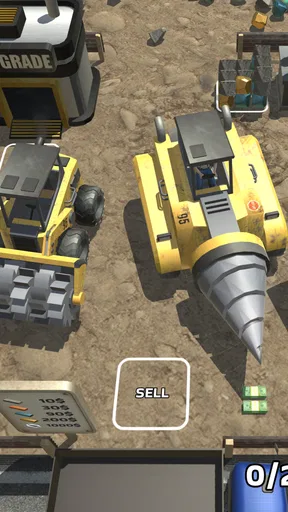
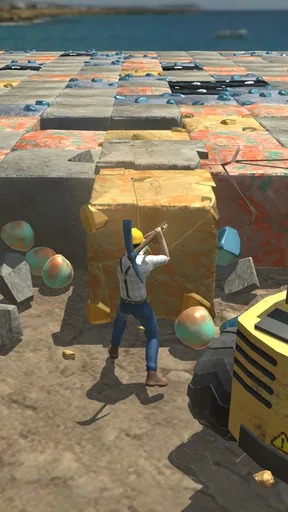
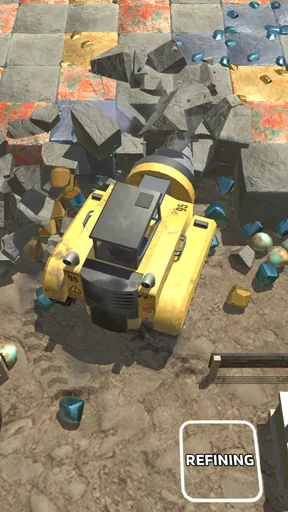
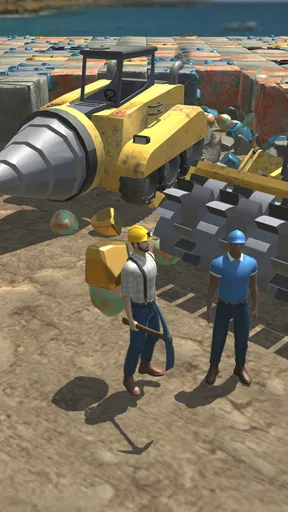
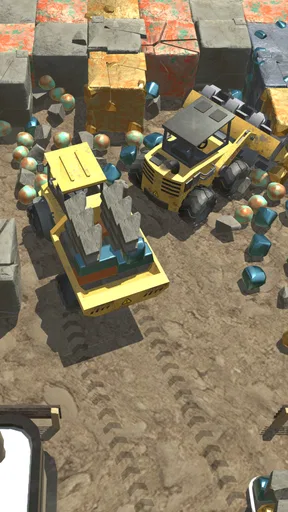
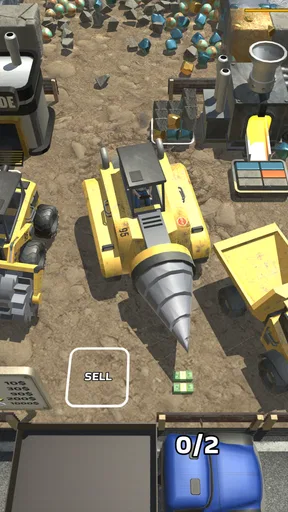
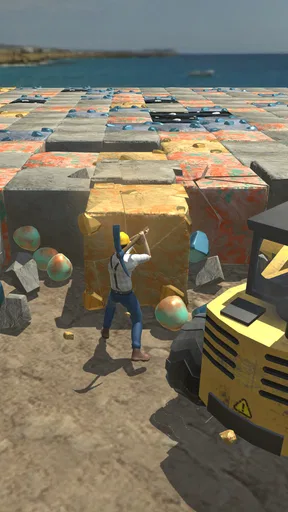
I like arcade games that let me make visible progress in small bursts, and Bulldozer Master: Crush & Mine is built around that appeal: operate a bulldozer, break things down, and turn the activity into progress for a gold-mining business. It is an idle tycoon game from Supercent, Inc., but the bulldozer gives its premise a more physical feel than a standard menu-led management game. My overall impression is that it suits quick, low-pressure sessions best, especially if you enjoy watching a modest operation grow without needing to give it your full attention all day.
What playing it feels like now
The game’s central idea is easy to grasp: demolition is not an end in itself, but part of building a larger mining operation. That connection gives the arcade action a clear purpose. Instead of treating each bulldozer run as an isolated challenge, you can think of the work as a step toward expanding an idle business. The loop is appealing when I want a simple goal and a satisfying sense of forward motion rather than a complicated campaign.
That focus also sets expectations. This is not a deep construction simulator where I would expect careful vehicle handling, detailed engineering, or a realistic mining economy. It is an arcade game with tycoon elements, and its appeal rests on the rhythm of doing work, earning progress, and returning to see what that progress makes possible. If you want a game that rewards short visits and uncomplicated decisions, that design makes sense. If you want a highly technical bulldozer game, the concept alone may not be enough.
The store identifies it as Bulldozer Master: Crush & Mine, and that name captures the two sides I find most useful to keep in mind: hands-on demolition and longer-term business growth. The first gives the game its immediate activity; the second provides a reason to keep going. I would approach it as a casual progression game rather than a precision-driving test, and I would judge it by whether that loop stays enjoyable during brief sessions.
A simple loop with a useful purpose
Idle games can feel vague when their progress is represented only by numbers and upgrade menus. Here, the bulldozer theme gives the work a concrete frame: you are clearing and crushing as part of a gold-mining venture. That makes the tycoon premise easier to picture, even if you are only checking in for a short time. The game is most compelling when I can connect an action to a larger goal rather than tapping through upgrades without knowing why they matter.
One practical way to enjoy it is to treat each visit as a small maintenance stop. Play when you have a few spare minutes, make the available progress, and leave rather than turning the game into a chore that demands constant attention. The idle framing is meant to support a business that grows beyond active play, so it is naturally better suited to occasional check-ins than to someone who expects every minute away to feel like a missed opportunity.
That distinction matters for daily routines. If I am waiting for a bus, sitting through a short break, or winding down before bed, an uncomplicated demolition-and-growth loop is easier to pick up than a game that requires a long match or careful planning. The trade-off is that players who want a fresh, demanding objective every time they open a game may find this style repetitive. Its comfort comes from familiarity, not from constant reinvention.
Where it sits among arcade and idle games
Compared with a conventional arcade game, Bulldozer Master has a longer horizon. A typical quick-play title may focus on beating a score or finishing a self-contained round; this one ties its bulldozer activity to a growing tycoon setup. That can make progress feel more meaningful, because the session is part of a broader enterprise. In return, the moment-to-moment action may feel less like a pure test of reflexes and more like one component of a progression loop.
Compared with a familiar idle clicker, the bulldozer premise is a welcome change of texture. The mining-business theme gives the game a specific identity instead of asking me to care only about abstract production. Still, players who prefer complex management games should keep their expectations measured: the appeal here is a lightweight arcade-and-idle blend, not a detailed economic sandbox. If I wanted layered resource planning or a demanding skill ceiling, I would look for a game designed around those priorities.
The best audience is therefore fairly clear. I would recommend it to someone who likes tycoon progression but does not want a long tutorial or a dense interface, and to casual arcade players who enjoy seeing actions feed into a larger goal. I would be less likely to recommend it to a player who dislikes idle pacing, wants a story-led adventure, or expects a realistic simulation of operating heavy machinery. Those are not flaws so much as mismatches between the game’s premise and what a player might be seeking.
Progress, version context, and practical trade-offs
The current version is 11.2.0, and the game was released on April 6, 2025. Those facts place it as a relatively recent release with a numbered version already in use, but they do not by themselves tell me what has changed between versions. I would not treat a version number as proof of a particular new feature or balance adjustment. For a player deciding whether to start now, the useful point is simply that the game has a current build to install, while the details of its development should be judged from changes the developer actually announces.
That distinction is especially important for an idle game. Small adjustments to progression or pacing can affect how satisfying it feels to return, but I cannot responsibly claim that a particular update has made the bulldozer stronger, improved offline earnings, or added a new mine unless that change is confirmed. Existing players can use the current version as their baseline and check the app store’s update notes when deciding whether a later build addresses something they care about. New players can begin without assuming they are missing a specific feature from an earlier era.
For someone already playing, a new version is most worth noticing when it changes the feel of a routine session: how quickly a goal becomes reachable, whether returning after a break feels rewarding, or whether the game’s controls and menus remain comfortable. Those are practical questions to ask after an update, rather than relying on a version number alone. I would also avoid spending money just to compensate for impatience before I had tried the ordinary loop long enough to decide whether I enjoy it.
Who should install it, and who may want something else
Bulldozer Master is free to download, and it has in-app purchases ranging from $0.49 to $99.99 per item. That range is broad, so I would treat purchases as optional spending rather than assume that every player needs them. If you are curious, start with the free experience and see whether the demolition and mining progression hold your interest. For a casual game, that is a sensible way to decide whether any paid option would genuinely improve your enjoyment instead of simply shortening the wait.
The game has an Everyone age rating, which makes it broadly suitable for players of different ages, though family members should still make their own choices about optional purchases. I would be particularly cautious about buying anything for a younger player without agreeing on a spending rule first. A simple approach is to keep purchases disabled or require permission, then let the player explore the basic game before deciding whether extra spending is worthwhile.
Its reported average rating is 4.4 from around 152,000 ratings, and it has passed 5 million installs. That suggests a substantial audience has tried it, but popularity cannot tell me whether its pace will suit a particular person. Ratings are most useful as context: the game has reached many players, yet the right decision still depends on whether you enjoy idle progression and repeatable arcade activity. The audience figures should not replace a look at your own preferences.
On Android, the listed minimum operating system is 6.0, so it is worth checking your device’s software before installing. I would also think about how you prefer to play. If you want something that can be picked up and set down without coordinating a group or committing to a long session, this format is a natural fit. If you want competition against other players, a carefully structured campaign, or a game where every session tests new skills, another arcade or simulation title may be a better match.
Small habits that make the loop work better
My first tip is to set a modest goal before opening the game. Decide whether this visit is about making a little progress or checking how the operation has developed, then stop when that purpose is met. That keeps an idle title from taking over a break simply because there is always another step to pursue. It also helps reveal whether the core loop is genuinely enjoyable for you or whether you are only chasing the next upgrade.
Second, pay attention to the balance between active play and leaving the game alone. The idle tycoon framing invites players to return after time away, but that does not mean every player needs to check constantly. Try a normal routine: play briefly, leave it, and come back when you would naturally have another spare moment. If that rhythm feels rewarding, the game is doing what you want from a low-pressure idle title. If you feel compelled to monitor it, the style may not be relaxing for you.
Third, separate curiosity from spending. Because the purchase prices range from a small amount to a much larger one, I would not tap through purchase options casually. First establish what the free loop feels like, then decide whether a purchase solves a real annoyance or simply promises faster progress. This is particularly useful in tycoon games, where the temptation to speed up growth can obscure whether the underlying activity is fun enough to continue without a shortcut.
What remains uncertain, and what to watch
The main limitation I would keep in mind is the risk of repetition. Demolition and business growth are a focused premise, not an endless supply of different game modes by themselves. If you enjoy repeating a familiar action while watching a larger operation develop, that consistency can be soothing. If you need every session to introduce a new challenge, you may reach the point where the loop feels too narrow. I would try it with that expectation rather than waiting for it to become a completely different kind of game.
For future updates, I would watch for clear, specific notes about changes to the bulldozer activity, the mining progression, or the experience of returning after time away. Those are the areas most likely to affect whether the central loop remains satisfying. I would separate announced changes from hopes: a numbered release may signal ongoing maintenance, but it does not guarantee a particular feature or fix. That is a more reliable way to judge product evolution than guessing from version labels.
Overall, I see Bulldozer Master: Crush & Mine as a straightforward choice for players who like an arcade-flavoured idle tycoon and want progress they can fit around ordinary life. Its strongest idea is the link between crushing with a bulldozer and growing a mining business; its main trade-off is that the same focused loop may become repetitive for players who crave variety or deep simulation. I would try the free version during a short break, keep purchases deliberate, and continue only if returning to the operation feels satisfying rather than obligatory.
Pros and cons
Pros
- Simple controls make it easy to start playing.
- Short levels suit quick gaming sessions.
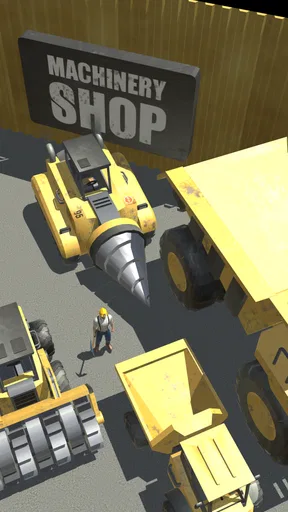
- Unlockable machines provide a sense of progression.
- Crushing objects gives clear and satisfying feedback.
- The mining theme offers a change from standard driving games.
Cons
- Gameplay can feel repetitive after several levels.
- Progress may depend on repeated upgrades.
- Vehicle movement can feel imprecise in tight spaces.
- Ads may interrupt the flow of play.
- Later stages may take longer to complete.


